
5 Staging Mistakes That Cost You Offers
Common mistakes
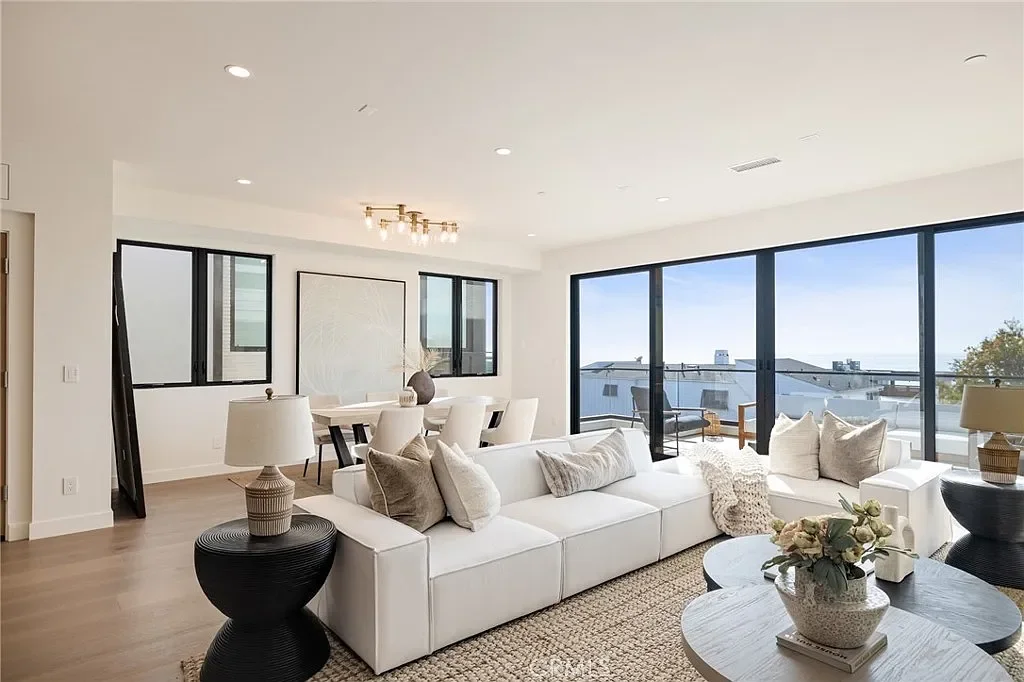
One of the biggest mistakes sellers make is leaving rooms either overcrowded or completely empty. Too much furniture makes spaces feel smaller and harder to navigate, while empty rooms feel cold and purposeless. Buyers need visual cues to understand how a space functions. A properly staged room defines scale, establishes flow, and helps buyers imagine living there.
Another common mistake is neglecting scale and proportion. Oversized furniture in small rooms or undersized pieces in large spaces distort perception. Buyers subconsciously judge room size based on furnishings, this means that utilizing the right pieces can make ceilings feel higher, rooms feel more spacious, and layouts seem more functional. Manipulating floor plans through furniture placement is one of the easiest ways to influence perceived value without touching the original architecture.
Consistency is key
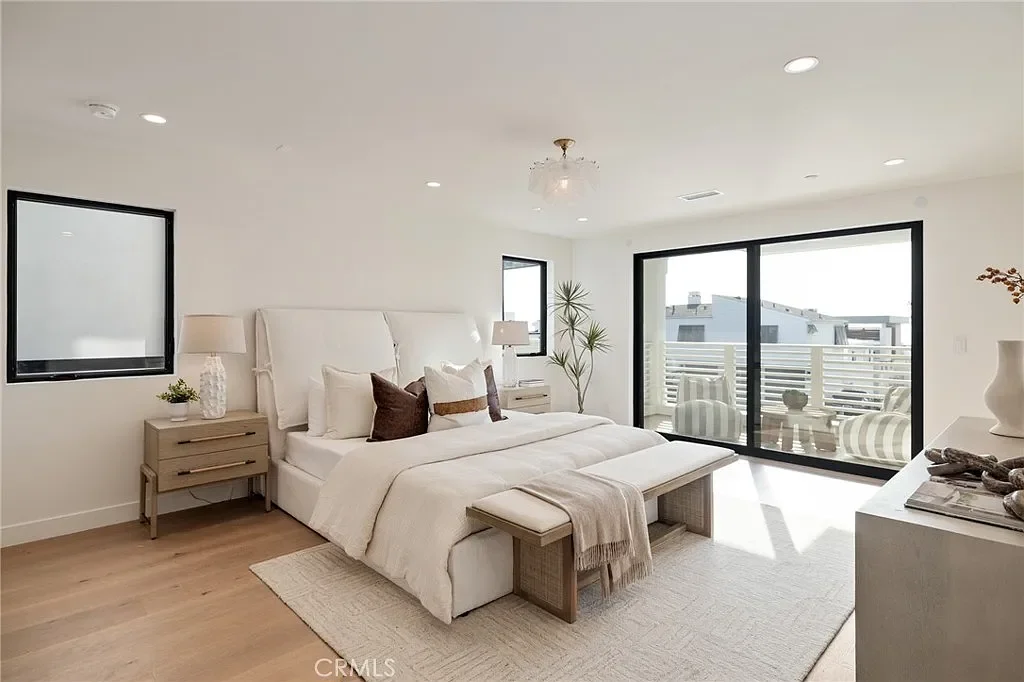
Many sellers overlook the power of consistency. Mixing design styles from room to room creates visual confusion and a disjointed online appearance. A modern living room paired with a traditional bedroom and a rustic kitchen breaks the fluidity moving from one room to the next. Staging should tell one cohesive story from the front door to the back patio. When the design language is unified, the home feels intentional, elevated, and easier to understand.
Another costly error is ignoring lighting. Dark rooms photograph poorly and feel uninviting in person. Relying solely on overhead lighting flattens a space and exaggerates flaws. Strategic staging layers lighting through floor lamps, table lamps, and natural light control, making rooms appear larger, warmer, and more polished. Homes that look bright and balanced signal “move-in ready”.
Personalization is also a deal-breaker. Family photos, bold artwork, and niche decor distract from the property. Staging is not about showing personal style, it is a chance to emphasize the properties architectural style, surrounding environment, and lifestyle. The goal of staging is to create emotional connections to the home, allowing the homebuyers to envision themselves living in this space.

PRESENTATION CREATES LEVERAGE
Ultimately, staging is not cosmetic, its strategic. Every visual decision either builds confidence or creates doubt in a buyer’s mind. When a home feels intentional, balanced, and easy to experience, buyers stop analyzing and start emotionally committing. That shift from observation to desire is what drives urgency, competition, and stronger offers. In a market where buyers have options, presentation is leverage and staging is how you control it.